
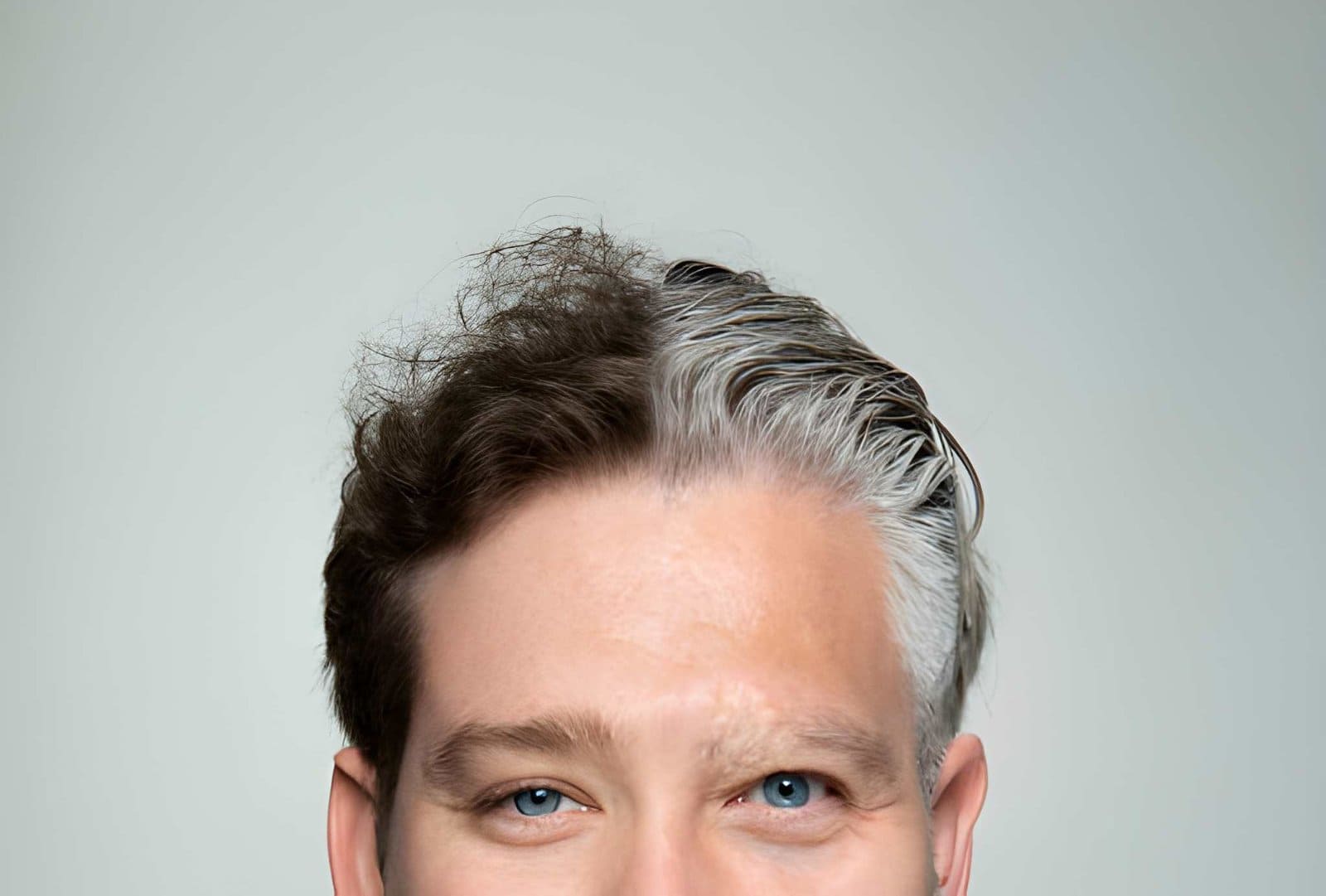
How to blend gray hair naturally
So, you’re thinking about letting your natural gray hair shine through, huh? It can feel a little daunting at first, especially if you’ve been coloring your hair for ages. That stark line where your roots start to show can be a bit of a shock. But guess what? There’s a super cool way to handle this transition that looks totally natural and chic. It’s called gray blending, and it’s basically a technique that helps your gray hairs mix in with your current color, making the whole process feel much smoother. Forget those harsh lines; we’re talking about a soft, blended look that celebrates your changing hair.
Key Takeaways
- Gray blending is a hair coloring technique that mixes your natural gray strands with your existing hair color, creating a softer, more natural transition.
- This method uses a combination of highlights and lowlights to minimize the harsh contrast between gray roots and dyed hair, allowing for a graceful grow-out.
- The consultation process is important to assess your unique gray pattern and discuss your desired tone, ensuring a personalized result.
- Gray blending is adaptable for all hair colors, including dark hair, and can be customized for different hair types and textures.
- Proper care with hydrating products and regular, but less frequent, salon visits are key to maintaining the softness and shine of blended gray hair.
Understanding The Art Of Gray Blending
What Is Gray Blending?
So, you’re starting to see more silver strands pop up, and you’re wondering what to do. Maybe the idea of a full dye job feels like too much, or perhaps you’re just not ready to commit to a completely new look. That’s where natural gray blending comes in. It’s not about hiding your grays; it’s about working with them. Think of it as a way to make your natural gray hair look intentional and stylish, rather than something you need to cover up. This technique uses a mix of colors, like highlights and lowlights, to soften the line between your natural gray and your original hair color. The goal is to create a look that feels cohesive and dimensional, making the transition feel smooth and graceful.
Why Embrace Your Natural Gray?
Let’s be honest, society has had some weird ideas about gray hair for a long time. It was often seen as a sign of aging or, worse,
The Consultation Process For Seamless Blending
Before any color is mixed or foils are placed, the most important step in blending your gray hair is a good old-fashioned chat. Think of this as the blueprint for your new look. It’s where you and your stylist really get on the same page about what you want and what’s achievable.
Assessing Your Unique Gray Pattern
Every head of gray hair is different, seriously. Some people have a sprinkle of silver all over, while others might have thicker patches at the temples or crown. Your stylist needs to see where your gray is concentrated and what kind of texture it has. This isn’t just about spotting the gray; it’s about understanding how it grows and how it interacts with your current hair color. This initial assessment is key to creating a blend that looks truly natural. For instance, if you have a lot of gray around your face, the approach might be different than if it’s mostly at the back. It’s all about working with your natural pattern, not against it.
Discussing Your Desired Tone
Once your stylist has a handle on your gray pattern, the next step is talking about the vibe you’re going for. Do you want to lean into the cool, silvery tones, or are you aiming for something warmer, more like a natural salt-and-pepper look? This is where you can bring in inspiration photos, but also be open to your stylist’s suggestions. They can help you figure out what tones will best complement your skin tone. Sometimes, what we think we want isn’t quite what will look best, and a good colorist can guide you. For example, if you have a warmer skin undertone, leaning too heavily into icy tones might not be as flattering as a softer, more golden-gray blend. It’s about finding that sweet spot that makes you feel great.
Setting Realistic Expectations
This is where honesty is the best policy. Transitioning to gray, even with blending, takes time. It’s not usually an overnight fix. Depending on your current hair color and how much gray you have, it might take a few salon visits to get the blend just right. Your stylist should walk you through a potential timeline. For example, if you have very dark hair and want to go lighter and blend in grays, it’s going to be a gradual process. Trying to rush it can lead to damage or a less-than-ideal result. It’s important to remember that the goal is a natural look, and that often means patience. A professional colorist can help you understand the process, and you can find great advice on gradual transitions from specialists like those at Cuts Inc Atlanta.
The consultation is more than just a quick chat; it’s a collaborative effort. Your stylist is your partner in this journey, and open communication is vital. Don’t be afraid to ask questions or voice any concerns you might have. The more information you share, the better the outcome will be.
Here’s a quick look at what to expect:
- Gray Pattern Analysis: Your stylist observes the distribution and density of your gray hairs.
- Color Goal Discussion: You talk about desired tones (cool, warm, neutral) and overall look.
- Timeline Setting: Understanding the number of sessions and time needed for the transition.
- Technique Preview: A brief explanation of how highlights, lowlights, or toning might be used.
This detailed approach ensures that the gray blending service is tailored specifically to you, leading to a result that feels authentic and looks fantastic. It’s about creating a look that feels like you, just with less upkeep and more confidence.
Key Techniques For Natural Gray Integration
So, you’ve decided to let your natural gray shine through, but you’re not quite ready for the full silver fox look just yet. That’s where the magic of gray blending comes in. It’s not about covering up your gray; it’s about working with it to create a look that feels you totally. Think of it as a sophisticated way to ease into your natural color, making the transition smooth and stylish.
Strategic Use Of Highlights
Highlights are your best friend when you’re blending grays. Instead of just letting your gray roots grow out starkly against dyed hair, we strategically place lighter strands. These aren’t just any highlights; they’re chosen to mimic the natural variations in your gray pattern. This technique breaks up any harsh lines and adds a lovely dimension, making your hair look fuller and more vibrant. It’s all about creating a soft contrast, so the gray doesn’t feel like a sudden appearance but rather a natural part of your hair’s tapestry. This approach helps reduce the need for frequent touch-ups, which is a huge win for low-maintenance hair.
Incorporating Lowlights For Depth
While highlights add brightness, lowlights are what give your blended gray hair that rich, multi-dimensional look. Lowlights are darker strands woven into your hair, and they’re super important for softening the contrast between your natural gray and any remaining color. They add depth and prevent your hair from looking flat or one-dimensional. Imagine a beautiful salt-and-pepper effect – that’s often achieved with a smart mix of both highlights and lowlights. The goal is to create a harmonious flow, so your gray blends in rather than stands out in a way you might not want.
The Role Of Toning In Harmony
Toning is like the final polish on your gray blending masterpiece. Sometimes, even with the best highlights and lowlights, there can be unwanted brassy or yellow tones, especially as hair lightens. A toner is a semi-permanent color that neutralizes these tones, bringing everything into balance. It helps to unify the different shades in your hair, whether you’re aiming for a cool, silvery look or a warmer, more natural gray. Getting the right tone is key to making sure your blended gray hair looks intentional and chic, not accidental.
The beauty of gray blending lies in its adaptability. It’s not a one-size-fits-all approach. Your colorist will look at your unique gray pattern, your skin tone, and your personal style to create a custom blend that feels authentic to you. It’s a collaborative process, really.
Here’s a quick look at how the techniques work together:
- Highlights: Add brightness and break up harsh lines.
- Lowlights: Provide depth and soften the contrast.
- Toning: Neutralizes unwanted tones and unifies the color.
This combination ensures that your transition to gray is not just manageable but also incredibly stylish. It’s about celebrating your hair’s natural evolution with grace and a touch of artistry.
Gray Blending For Different Hair Colors
So, you’re thinking about blending those grays, but you’re wondering how it all works with your specific hair color? It’s a great question, because what looks amazing on one person might need a little tweaking for another. The good news is, gray blending is super adaptable. It’s all about working with your natural shade, not against it, to create a look that feels totally you.
Blending Grays With Dark Hair
This is where things can get a little more involved, but totally doable. Dark hair and silver strands have a pretty big contrast, right? So, just letting the grays grow in can sometimes look a bit stark. The trick here is using a mix of highlights and lowlights. Think of it like this: lowlights add depth, kind of like a rich espresso or deep mahogany, which helps your base color pop and makes the grays blend in more naturally. Highlights, on the other hand, can add a touch of brightness, maybe a soft caramel or a muted golden blonde, to break up the solid color and give your hair dimension. The key is to pick shades that complement both your natural dark color and your grays, so it all looks cohesive. It’s about softening that line where your roots meet the rest of your hair, making the transition much smoother than just stopping color altogether.
Achieving Seamlessness With Lighter Tones
If you have lighter hair, like blonde or lighter brown, blending grays often feels a bit more straightforward. Since your base color is already closer to the shade of gray, the contrast isn’t as dramatic. For blondes, cool-toned highlights in shades like ash, beige, or even a soft platinum can work wonders. They just melt right in. If your hair is medium brown, you might lean towards warmer tones like golden blonde or caramel for highlights, and perhaps some richer, darker lowlights to add that multi-dimensional effect. The goal is to create a soft, lived-in look where the gray hairs become just another beautiful strand in the mix, rather than a stark contrast. This approach makes for a really low-maintenance way to embrace your natural color.
Customizing For All Hair Types
Gray blending isn’t just for one type of hair; it’s really for everyone. Whether you’re a natural redhead looking to blend grays with strawberry blonde highlights and auburn lowlights, or you have a different base color altogether, a stylist can tailor the technique. They’ll look at your unique gray pattern – where the grays are most prominent – and your natural undertones.
The beauty of gray blending is its flexibility. It’s not a one-size-fits-all situation. A good colorist will assess your current hair color, your natural gray pattern, and your desired outcome to create a custom blend that looks intentional and chic.
Here’s a quick rundown of how it might look:
- Dark Hair: Focus on adding depth with lowlights (espresso, mahogany) and subtle brightness with highlights (caramel, golden blonde) to soften contrast.
- Lighter Hair: Utilize lighter highlights (ash blonde, beige) that are close to your base color, with optional subtle lowlights for dimension.
- Red Hair: Blend with strawberry blonde or copper highlights and deeper auburn or copper lowlights for a rich, multi-tonal effect.
Ultimately, the aim is to make your gray hairs a feature, not a problem to be hidden. It’s about creating a beautiful, natural-looking hair color that evolves with you. If you’re curious about how this could work for your specific hair, a chat with your stylist is the best next step to discuss your gray blending options.
Maintaining Your Blended Gray Hair
So, you’ve gone through the process of blending your grays, and it looks fantastic. Now, the big question is, how do you keep it looking that way without spending half your life in the salon chair? The good news is that gray blending is designed to be lower maintenance than traditional all-over color. It’s all about working with your natural growth pattern.
Low-Maintenance Salon Visits
One of the biggest perks of gray blending is that you don’t need those super frequent root touch-ups. Because the technique involves weaving in highlights and lowlights that mimic your natural gray, the grow-out is much softer. Instead of a harsh line, you get a more gradual transition. This means you can typically stretch out your salon visits. For many, this might mean coming in every 3-4 months for a trim and a refresh, rather than every 4-6 weeks. It really depends on how fast your hair grows and how crisp you like the blend to look. If you’re in the Atlanta area, finding a place like Atlanta’s Best Men’s Hair Salon that understands these techniques can make a huge difference in how long you can go between appointments.
Caring For Softness And Shine
Gray hair, especially when it’s newly blended, can sometimes feel a bit different texture-wise. It’s not always coarser, but it can sometimes lack the natural oils that keep younger hair feeling super soft. To combat this, focus on hydration. Using a good quality conditioner is a must. You might also want to consider a weekly deep conditioning treatment or a hair mask, especially if your hair feels a little dry or brittle. Think of it like giving your hair a little spa day.
- Hydrate: Use a rich conditioner every time you wash.
- Nourish: Incorporate a weekly hair mask.
- Protect: Minimize heat styling, and always use a heat protectant spray if you do.
Choosing The Right Products
When it comes to at-home care, the right products can make all the difference. You’ll want to look for shampoos and conditioners that are specifically designed for gray or silver hair. These often contain ingredients to help neutralize any brassy or yellow tones that can sometimes creep in. Purple shampoos are your friend here, but use them sparingly – maybe once a week or every other wash, depending on your hair’s needs. Overuse can sometimes make your hair look a bit too cool or even purple! Also, opt for sulfate-free formulas. Sulfates can be a bit harsh and strip your hair of its natural moisture, which is something you want to hold onto.
The goal with home care is to support the salon work, keeping your blended grays looking fresh and vibrant between visits. It’s about gentle cleansing, deep conditioning, and targeted toning to maintain that beautiful, natural look you worked so hard to achieve. This gradual approach allows for a more natural and manageable transition to embracing gray hair, as discussed by specialists like Karla Osborne.
Here’s a quick rundown of what to look for:
- Sulfate-free shampoo and conditioner: For gentle cleansing and moisture retention.
- Purple or silver-toning shampoo/conditioner: To combat yellow tones (use as needed).
- Hydrating hair mask or deep conditioner: For weekly treatments.
- Leave-in conditioner or serum: To add extra moisture and shine throughout the day.
Debunking Gray Hair Myths
It feels like there are a million things people say about gray hair, and honestly, a lot of it just isn’t true. Let’s clear some of that up.
Gray Hair Doesn’t Always Mean Coarse Texture
One of the biggest myths I hear is that gray hair is automatically rough and unmanageable. While it’s true that hair texture can change as we get older, it’s not guaranteed that your gray hair will be coarse. Many people find that their gray hair is actually softer than their previously colored hair. The key is proper care. Using hydrating shampoos and conditioners, and maybe a good leave-in treatment, can make a huge difference in keeping your silver strands smooth and shiny. It’s more about how you treat your hair than the color itself.
Gray Is Not a Sign Of Giving Up
This one really gets me. Some people think that letting your gray show means you’ve just given up on yourself or your appearance. That couldn’t be further from the truth! For so many, embracing gray is a conscious choice, a statement of confidence and self-acceptance. It’s about deciding to be authentic and letting your natural beauty shine. It’s a powerful move, not a surrender. Think of it as shedding the constant upkeep of dye and stepping into a more genuine version of yourself. It’s a celebration of your journey, not an end to it.
Gray Blending Is For Everyone
There’s this idea that gray blending is only for certain people or hair types, but that’s just not the case. Whether you have dark hair, light hair, fine strands, or thick locks, some techniques can work for you. The goal is always to create a look that feels natural and suits your individual style. It’s about making your gray hair work for you, not against you. It’s a way to ease into your natural color or to create a beautiful, multi-dimensional look that incorporates your grays rather than fighting them. It’s a really versatile approach to hair coloring.
The shift towards embracing natural gray hair reflects changing beauty standards. It’s less about hiding age and more about celebrating individuality and authenticity. This movement encourages a more relaxed approach to beauty routines and a greater appreciation for natural features at every stage of life.
Here’s a quick rundown of common misconceptions:
- Myth: Plucking gray hairs makes more grow back. Fact: This is a persistent old wives’ tale. Plucking a gray hair won’t cause more to sprout from that follicle. Hair color is determined by genetics and melanin production, not by pulling out individual strands. You can read more about why hair turns gray to understand the science behind it.
- Myth: Gray hair can be reversed with home remedies. Fact: While some causes of premature graying might be reversible, once hair has turned gray due to aging or genetics, it’s generally permanent. Many popular home remedies lack scientific backing for actually reversing gray hair. It’s best to focus on caring for your existing hair, whether it’s gray or not.
Embracing Your Natural Hue
So, there you have it. Going gray doesn’t have to be a scary, sudden change. Gray blending is a pretty neat way to ease into your natural silver strands, making the whole process feel way less dramatic. It’s all about working with what you’ve got, adding a little bit of dimension with highlights and lowlights, and letting your hair do its thing. It’s a low-maintenance path that lets you rock your gray with confidence, and honestly, it’s kind of freeing. Plus, with the right care, your gray hair can look and feel amazing. It’s more than just a hair color; it’s a whole vibe.
Frequently Asked Questions
What exactly is gray blending?
Gray blending is a cool hair coloring trick that helps your natural gray hairs mix in smoothly with your current hair color. Instead of trying to hide grays, it works with them to create a softer, more blended look. Think of it like weaving silver threads into your existing hair color to make the change look natural and stylish.
Why should I consider letting my gray hair show?
Embracing your natural gray can be super freeing! It’s a way to be more authentic and save time and money on constant dyeing. Plus, gray hair can look really chic and sophisticated when styled well. It’s all about feeling confident and celebrating your unique look as you age.
How does gray blending make the transition easier?
Going gray can be a bit jarring if you’re used to having colored hair. Gray blending uses techniques like highlights and lowlights to soften the line where your gray roots meet your colored ends. This means you won’t have that harsh contrast, making the grow-out process much smoother and less noticeable.
Can gray blending work for all hair colors, especially dark hair?
Yes, absolutely! Gray blending is super adaptable. For darker hair, colorists use specific highlights and lowlights that match your natural color and your grays. This helps blend the silver strands without making them stand out too much, creating a beautiful, multi-dimensional effect.
How often do I need to visit the salon for gray blending?
One of the best things about gray blending is that it’s low-maintenance! Since it grows out so naturally, you won’t need salon visits as often as you would for regular root touch-ups. Usually, a touch-up every few months is enough to keep the blend looking fresh.
Is gray hair always rough and hard to manage?
Not at all! While hair texture can change with age, gray hair doesn’t have to be coarse. With the right care, like using moisturizing shampoos, conditioners, and masks, your gray hair can stay soft, shiny, and easy to manage. Special products for gray hair can really help.
Post a Comment